
Wildfire Smoke and Its Far-Reaching Effects on US Urban Life
The recent surge in wildfire smoke drifting from Canada and Minnesota over parts of the Great Lakes, Northeast, and Mid-Atlantic regions has sparked many opinions and discussions. For millions of people, the thick haze blanketing cities like Washington, D.C., and Detroit is not just a weather anomaly—it is a daily confrontation with unhealthy air and a stark reminder of nature’s unpredictable power. In this editorial, we take a closer look at the situation, explore the tricky parts of wildfire smoke management, and consider how these smoky conditions are impacting communities, health, sports, and even international relations.
The haze, which has turned city skylines into eerie, otherworldly scenes, disrupts normal life, leaving residents to figure a path through a changing environment. With the fires still burning largely unchecked—both in the Ontario region of Canada and in parts of Minnesota—the challenges are as much about public safety as they are about environmental and policy issues, laden with twists and turns that demand thoughtful discussion.
How Wildfire Smoke Affects Public Health in Urban Centers
As wildfires continue to emit noxious smoke, the impact on public health becomes a key point of concern. The haze is packed with fine particulates and pollutants that can worsen respiratory conditions, heart disease, and other serious problems. For people with heart or lung conditions, children, and older adults, stepping outdoors in smoky air can be both overwhelming and nerve-racking.
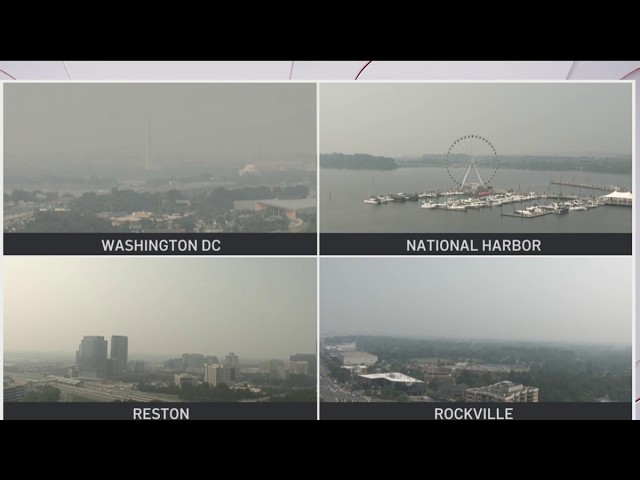
One resident in Washington, D.C. described waking to a sunrise where familiar landmarks were swallowed by a murky glow. “It’s pretty crazy to wake up at sunrise and not see the sun when it’s not even raining,” he commented, highlighting the surreal and unsettling reality that so many have to face. The odor has even been compared to a giant outdoor cookout gone awry, a metaphor that underscores just how pervasive and inescapable the situation has become.
Long-term exposure to these conditions means that the subtle details of our health may be slowly compromised, leading to complications that are both complicated and full of problems. Health professionals urge people to stay indoors, limit physical activity, and use air-purifying systems as much as possible until conditions improve. The environmental impacts of wildfire smoke are not limited to temporary discomfort—they may have lasting effects on both personal well-being and healthcare systems across affected regions.
For instance, the National Weather Service forecaster Bob Oravec warns that while temporary relief might appear with passing storms, the underlying issue remains. Wind patterns—which in themselves need careful tracking—will continue to channel polluted air across densely populated areas, turning daily routines into a delicate balancing act between staying safe and maintaining normalcy.
Managing Your Way Through the Mixed Impact on Sports and Outdoor Events
The ripple effects of the smoky haze extend far beyond health. Public events, most notably sporting competitions, have also been disrupted. A case in point is Major League Baseball’s Cleveland Guardians game against the Pittsburgh Pirates in Ohio, which was postponed because the smoke had worsened to the extent that outdoor activities were deemed unsafe.
Large gatherings, outdoor festivals, and championship races like the All-American Soap Box Derby in Ohio are also feeling the stress of these conditions. Many event organizers are caught between the need to provide a fun, memorable experience and the critical necessity to protect vulnerable populations. As one parent noted, “I’m glad they’re not forcing the kids out into it. There are children with asthma and adults with respiratory conditions who could really suffer.”
The impact on sports events can be summarized in several key points:
- Health risks: Exposure during intensive physical activity in polluted air could lead to acute health issues.
- Event postponements: Temporary cancellations or rescheduling events can disrupt community traditions and economic plans.
- Public safety protocols: Increased emphasis on distributing safety gear, like K95 face masks, and opening cooling centers in public buildings.
This situation shows that while unpredictable, the decision to delay or cancel outdoor activities is a small but necessary sacrifice when compared to the potential long-term consequences of prolonged smoke exposure.
Understanding the Fine Points of Air Quality Degradation
At the edge of this debate lies the question of air quality—and more importantly, how we monitor and manage it. Air quality tracking websites such as IQAir and various local government measures have warned communities in Minnesota, Illinois, and Michigan that they are experiencing among the worst conditions seen in recent times. In Washington, D.C., landmarks like the Washington Monument and the Lincoln Memorial have been shrouded in an orange-tinted haze, turning familiar sites into unrecognizable, almost spectral images.
Residents have also noted that the conditions sometimes appear to morph over the course of the day, only to revert back to their unhealthy state as the wind shifts. In the evening, when the sun begins to set, the lingering pollutants seem to cling to the atmosphere, making it difficult to completely clear the sky—even with intermittent sunny spells.
Moreover, government agencies and weather services are working to provide real-time data and forecasts. These updates help residents decide when they might have a brief respite to get outside, or when they need to plan for an entirely indoor day. However, the simple fact remains that the long-term exposure to the smoke’s subtle details may lead to a cycle of respiratory issues, cardiovascular diseases, and even neurological conditions.
A table summarizing some key health advisories for residents in areas affected by wildfire smoke could look like this:
| Group at Risk | Recommended Actions |
|---|---|
| Children | Stay indoors, use air purifiers, avoid strenuous activities |
| Older Adults | Limit outdoor exposure, monitor air quality reports, consult a doctor if symptoms worsen |
| Individuals with Heart/Lung Conditions | Avoid outdoor activities, have masks and medication on hand, seek medical advice |
| General Public | Use face masks, track local air quality, plan indoor activities |
This table helps to clarify the somewhat tangled issues around managing daily life in an environment where outdoor air is compromised. It is essential for each individual to keep tabs on advisories and make personal adjustments accordingly.
Wildfire Smoke and the Impact on International Relations
Often overlooked in the discussion around local health and safety is the impact wildfires can have on international relations. The current wave of smoke has not only affected the United States but also stirred diplomatic tension, as seen in responses following social media posts by U.S. officials. Some U.S. leaders have pointed fingers at Canada over its forest management policies, a reaction that, while blurring the fine points of environmental responsibility, underscores how linked our fates are in facing climate change.
In one notable instance, statements made by U.S. President Donald Trump criticized Canadian wildfire management strategies, suggesting that inaccuracies in managing vast wilderness areas could lead to economic repercussions through potential tariffs. Canadian officials, while not immediately addressing these concerns, have a history of not shying away from supporting their U.S. counterparts when needed. Canadian Premier Doug Ford defended his nation by noting its past actions of aiding the U.S. in fighting fires, a commentary that illustrates how even amid tense political climates, shared challenges might require collaborative solutions.
This international element forces us to take a closer look at the overall environmental strategy—a strategy riddled with tension and loaded with issues. Frequent miscommunications and policy disagreements complicate the response to a phenomenon that inherently respects no national borders. The scenario reminds us that while local effects are immediate and palpable, the hidden complexities of wildfire smoke extend into international diplomacy.
Examining the Role of Meteorologists and Public Officials
Meteorologists and public officials are on the front lines of this smoky crisis, working diligently to predict trends and issue alerts as conditions evolve. Their task is far from straightforward—in fact, it can be quite intimidating as they try to figure a path through a maze of environmental variables. Bob Oravec, a leading forecaster at the National Weather Service, emphasizes the dependence on wind patterns to predict which regions might be most affected on any given day.
Officials face the difficult job of balancing public safety against the inconveniences caused by imposing restrictions. Their warnings, while critical, are also a reminder that the situation is fluid. Sudden changes in wind direction can lead to pockets of improved air quality, only for the smoke to return with renewed intensity later. This situation tests both the technical capacity of weather services and the public’s readiness to respond to rapidly shifting conditions.
For residents, the process of sorting out weather advisories includes monitoring updates from local agencies, social media, and news broadcasts. Here are a few tips on staying updated and safe during wildfire smoke episodes:
- Subscribe to local weather alerts and follow updates on official public safety apps.
- Keep a reliable air quality monitoring website bookmarked for quick access.
- Plan indoor activities on days when air quality is reported as low.
For many communities, the blend of reliable data from meteorologists and clear directives from public officials helps to ease some of the daunting uncertainty. Even if it is off-putting to confront a familiar environment transformed by smoke, clear communication remains a super important tool in managing daily life.
Air Quality Trends and the Downstream Effects on Local Economies
The impact of pervasive wildfire smoke extends beyond personal and public health concerns—it trickles down into local economies, changing the way communities function. For instance, expect delays or cancellations in public services and events that are key to local businesses and cultural activities. While economic downturns from temporary disruptions might be seen as minor in the long run, they contribute to a buildup of ever-present stress for communities that already find themselves balancing multiple pressing needs.
Local retail outlets, tourism boards, and even restaurants have reported changes in daily customer traffic, as people choose to postpone their plans to avoid the smoky outdoors. In regions where outdoor dining and recreational activities are essential parts of the economic fabric, this shift can have lasting ripple effects on community livelihoods. Business owners are now tasked with finding creative ways to maintain engagement while ensuring customer health and safety.
A quick bulleted list describes some common economic impacts:
- Reduced foot traffic in shopping districts and tourist areas.
- Delays in public events that boost local business revenue.
- Increased spending on protective gear and indoor entertainment.
- Temporary closures or scaling down of outdoor operations.
While these issues might seem like small, complicated pieces of a larger puzzle, they highlight the interconnectedness of environmental factors and economic health. The long, drawn-out nature of wildfire events means that local economies must continuously adapt, search for innovative solutions, and rely on community resilience to navigate these trying times.
Preparing for Future Wildfire Seasons: Lessons Learned and Practical Steps
The current wave of wildfire smoke is not the first instance in which communities have had to deal with deteriorating air quality due to natural disasters. In fact, it offers a sober opportunity to reflect on past experiences and to figure out practical ways to better prepare for the next episode. Both local governments and individual citizens can take concrete steps to protect themselves, drawing on lessons from previous wildfire seasons.
Key lessons include the need for comprehensive emergency planning that covers everything from air quality monitoring to the distribution of protective equipment. Notably, the use of K95 face masks, installation of air-purifying systems in public buildings, and the opening of libraries and community centers as temporary shelters have proven effective in regions like New York, New Jersey, and Pennsylvania.
A simple table can help summarize some of these preparedness measures:
| Measure | Benefit |
|---|---|
| Distribution of Protective Gear | Helps residents reduce respiratory exposure during outdoor activities |
| Setting Up Cooling Centers | Provides a safe haven with cleaner air for vulnerable populations |
| Enhanced Weather Alerts | Enables timely responses and better planning for potential events |
| Community Education Initiatives | Increases public understanding of air quality issues and preventive strategies |
By taking these required steps, communities can work through the tricky parts of wildfire smoke preparedness more effectively. Educating the public about what to expect and how to react during smoky periods is essential, particularly when dealing with unforeseen shifts in weather patterns.
Additionally, the collaboration between local officials, emergency services, and environmental scientists is crucial. When experts from these groups make your way through planning and communication, the subtle details of preparedness become a collective effort rather than an individual undertaking.
Local Stories: Personal Resilience Amid Challenging Conditions
In the midst of widespread smoky skies and canceled community events, individual stories of resilience offer a silver lining. Residents have been adapting creatively to the challenges posed by wildfire smoke. In Chicago, for example, one local encountered a day where the air quality was so bad that stepping outside without a mask felt like diving into a realm of hidden complexities. For a person dealing with asthma, the choice of staying indoors isn’t just a matter of convenience but a necessity ruled by health and survival.
Similarly, in Washington, D.C., where even the iconic shapes of monuments are rendered nearly invisible in a hazy gloom, locals have found ways to connect and support one another. Social media channels have become fertile ground for sharing tips, from the best indoor routes for family activities to recommendations for local indoor attractions that are less affected by the smoky conditions.
Residents have also offered their perspectives on the current situation:
- Individuals with respiratory conditions emphasize the importance of air purifiers and masks.
- Parents and caregivers encourage indoor recreational alternatives to ensure children stay safe.
- A diet of community support and local innovations is forming, as citizens organize events and share resources.
These personal narratives are important not only as documentation of resilience but also as inspiration for those communities that are currently struggling to adjust to a life under a perpetual haze. Their stories are a reminder that while smoke may obscure the sun, the spirit of community clarity and innovation is far off-putting when it comes to living life fully and safely in difficult times.
Practical Advice for Travelers Amid Wildfire Smoke
For our readers who love to explore and travel, wildfire smoke poses a unique set of challenges that require careful planning. Destinations that were once celebrated for their pristine environments now offer a mixed picture during high-smoke periods. Whether you’re planning a weekend getaway or an outdoor adventure, it’s essential to take practical precautions to ensure your trip remains enjoyable and safe.
Here are a few tips for travelers facing smoky conditions:
- Research Air Quality: Check localized air quality monitoring websites before planning your trip. This will help you decide if your destination is currently safe for visits.
- Pack Protective Gear: Bring along a supply of high-quality masks, particularly those rated as K95 or N95, to protect against fine particulates.
- Plan Indoor Alternatives: Look for attractions such as museums, galleries, and indoor markets. Many cities offer a rich cultural experience that doesn’t rely solely on outdoor activity.
- Stay Updated on Weather Reports: The weather can change quickly. Keeping an eye on updated forecasts will help you figure a path between outdoor adventures and necessary indoor retreats.
Travelers need to recognize that while a smoky landscape might initially deter outdoor exploration, it also offers a unique backdrop for a different kind of travel experience—one where you can learn about how different communities adapt to challenges and where local businesses find creative ways to welcome visitors despite adverse conditions.
Moreover, responsible tourism during wildfire seasons is on edge. It’s essential for travelers not only to prioritize their personal health but also to support local establishments that are impacted by these conditions. By choosing indoor attractions and dining locally, you contribute to the economic resilience of a community facing environmental challenges.
Looking Ahead: Weather Trends and the Promise of Recovery
While the current smoky conditions have been nerve-racking and overwhelming for many, there is cautious optimism on the horizon. Weather forecasts predict patches of improvement, especially in areas where thunderstorms are expected to emerge over the weekend. Such weather events might help clear the thick haze temporarily, offering residents and visitors alike a chance to step outside, if only for a short while.
However, experts warn that the roots of the problem are not easily resolved. The wildfires in Ontario and Minnesota continue to smolder, meaning that even brief periods of improved air quality are merely temporary respites within a longer battle. As Bob Oravec points out, the source of these emissions is likely to persist for at least another week, depending on how the winds shift over the coming days.
It is important to note that these patterns, while temporarily alleviating some symptoms, do not solve the underlying challenges. The delicate equilibrium between natural wildfire behavior and human intervention continues to be a tricky part of this situation, with every gust of wind heralding either relief or renewed exposure.
Looking toward recovery, several strategies are critical:
- Stronger collaborative measures between state, regional, and federal agencies to manage wildfire outbreaks effectively.
- Investments in better air quality monitoring technology to provide real-time warnings and accurate forecasts.
- Community education initiatives that help people understand and adapt to rapidly changing weather conditions.
- Enhanced international cooperation, particularly with neighboring countries like Canada, to address shared environmental challenges.
In time, these measures hold the promise of not just weathering the current crisis but also equipping communities with the tools necessary for a more stable and healthier future. Clear skies, when they return, will be all the more appreciated after a period under the burden of smoky covers and polluted air.
Community and Policy: Working Through the Small Distinctions in Environmental Management
One of the more subtle yet critical parts of the ongoing debate is how local communities and policymakers decide to address environmental management on a day-to-day basis. The differences between a well-coordinated response and a disjointed approach often come down to small distinctions in planning, communication, and emergency preparedness. While some regions have managed to adapt with innovative solutions such as temporary cooling centers and strategic closures of outdoor spaces, others struggle with bureaucratic obstacles and delays.
For instance, public communications in cities like New York and Washington, D.C., have increasingly relied on digital platforms. These updates, though sometimes technical, have become crucial tools for residents trying to get around the latest air quality challenges. News outlets, weather apps, and local government websites all play a role in informing the public about when it is safe to venture outside and when it is best to stay indoors.
In addition to technology, community solidarity and a proactive mindset are essential. Meetings, town halls, and even online forums have helped residents share anecdotes and strategies, piecing together a collective response to a situation that is as unpredictable as it is intimidating. This grassroots approach, combined with top-down coordination, is key to managing the finer details of environmental crises like the current wildfire smoke episode.
As local policymakers work through the many tangled issues, coordinating across different jurisdictions, the focus remains on – and must remain on – a unified strategy. A community that understands that every individual step, however small, contributes to a larger solution is better positioned to figure a path through seemingly insurmountable challenges.
Reflecting on Nature’s Power and Our Shared Responsibility
Wildfires and their resultant smoke are stark reminders of the power of nature and the vulnerabilities of human society. As we parse the effects of unchecked blazes in the forests of Canada and the wilderness areas of Minnesota, it is clear that the current crisis is about much more than just an unusual weather pattern. It serves as an urgent call for all of us – from public officials and scientists to local community members and international leaders – to take part in shaping a response that is both compassionate and effective.
The responsibility lies equally with policymakers and with individuals. While it is off-putting to face a future where natural disasters may become more frequent due to climate change, it is equally critical to recognize that this is a shared challenge. By supporting better forest management, investing in community preparedness, and fostering international collaboration, we can create a framework that not only addresses today’s smoky skies but also helps mitigate similar crises in the future.
A summary of personal and policy responsibilities might look like this:
- Individuals: Take precautions, stay informed, and contribute to community resilience.
- Local Governments: Provide clear advisories, enforce effective air quality measures, and support vulnerable populations.
- National Agencies: Enhance data collection, strengthen inter-agency cooperation, and allocate resources effectively.
- International Partners: Work together on environmental policies and share best practices in wildfire management.
Through these combined efforts, the hidden complexities and the small distinctions in managing wildfire crises can be addressed, turning what might seem an overwhelming problem into a set of manageable, practical steps.
Conclusion: A Call for Resilience and Adaptation in a Changing World
In conclusion, the current challenges posed by widespread wildfire smoke underscore the need for a multifaceted and thoughtful response. As cities across the Great Lakes, Northeast, and Mid-Atlantic regions contend with the daily reality of unhealthy air laden with pollutants, it is clear that the issue touches every facet of life—from public health and local economies to sports, travel, and even international diplomacy.
While the smoky skies are undoubtedly scary and overwhelming for those directly affected, they also present an opportunity for reflection and improvement. We must learn to figure a path through these increasingly common natural events by adapting our lifestyles, rethinking our community strategies, and pushing for robust policy changes that safeguard both our environment and our health.
Now more than ever, it is essential for each resident, traveler, and official to engage with the reality of our times. Whether you are sorting out the best travel practices during wildfire seasons or finding ways to support a local community meeting indoors, every action counts. By taking advantage of emerging technologies, clear public communication, and community solidarity, we strengthen our collective resilience against the unpredictable events that nature continues to throw our way.
This editorial is not merely a report on current conditions—it is a call to action. Let us use these days of smoky skies as a catalyst for change, embracing both practical safety measures and long-term environmental stewardship. While it may seem daunting to face another day under a blanket of haze, remember that every small step taken toward preparation, awareness, and cooperation paves the way for a safer, cleaner future for us all.
In a world where the interplay of natural forces and human activities is becoming increasingly tense, our response must be equally strong, united, and adaptive. Whether you are a local official crafting new air quality guidelines, a parent ensuring your child’s safety, or a traveler planning your next adventure amid uncertain conditions, your role in this shared responsibility is key.
Let this moment remind us that while nature will always command respect with its vast power, our collective actions can steer us toward healthier, more resilient communities. Together, we can overcome the challenging bits and navigate the perplexing twists that come with environmental crises, ensuring that when the skies clear, we emerge stronger and better prepared for whatever the future may hold.
Originally Post From https://www.witn.com/2026/07/18/wildfire-smoke-canada-minnesota-pushes-farther-into-us-engulfs-dc-haze/
Read more about this topic at
In this current wildfire crisis, acknowledge widespread suffering
With more than 850 active wildfires burning across Canada …