
Reassessing Shoreline Trespassing Laws in the Great Lakes Region
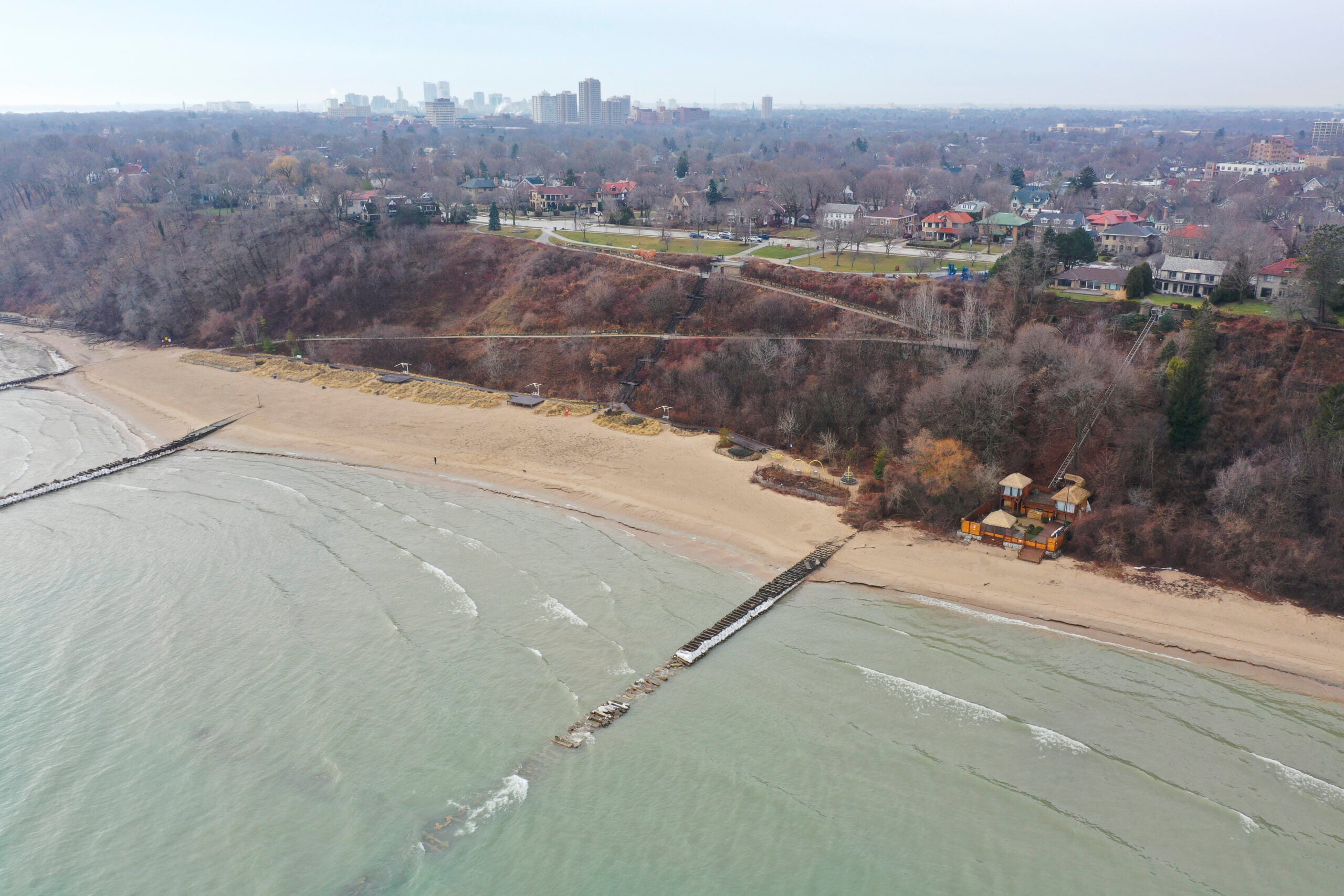
The recent case involving University of Wisconsin-Milwaukee professor Paul Florsheim has sparked a spirited conversation about public beach access, historic rights to walk along our cherished shorelines, and the tricky parts of interpreting decades-old legal decisions. As an opinion editorial, this piece takes a closer look into the tangled issues raised by a municipal court ruling in Shorewood, which fined Florsheim for walking along a stretch of Lake Michigan beach—a practice he has upheld for more than fifty years.
At its heart, the controversy pits long-held personal traditions against the strict letter of the law. For the professor, this isn’t just a leisurely walk along the water’s edge; it is a deeply personal ritual imbued with history, memories, and a sense of belonging. For many citizens, clearly defined access to waterways represents a key aspect of public trust—a right that has been interpreted differently by different states and legal precedents.
Historical Overview: Legacy of Beach Access and Public Trust
Historically, the freedom to walk along the beaches of our inland lakes was established through interpretations of the public trust doctrine. Decades ago, a 1923 Wisconsin Supreme Court decision in Doemel v. Jantz laid out the idea that the public must remain close to the water, ensuring that natural resources benefit everyone. This decision, although crafted for Lake Winnebago, has found echoes in subsequent cases and discussions about lakefront rights.
In states like Michigan and Indiana, supreme court decisions have reinforced the public’s right to access Great Lakes beaches. However, Wisconsin has yet to see a ruling that definitively extends those rights, leaving a gap in legal clarity that local authorities sometimes use to enforce rules in ways that seem to contradict longstanding public expectations.
This historical backdrop is crucial when assessing Professor Florsheim’s situation. His decades-long connection to the stretch between the water’s edge and the Ordinary High Water Mark symbolizes more than a personal habit—it’s an emblem of community access and an age-old tradition that deserves thoughtful consideration.
Understanding the Public Trust Doctrine in Shoreline Access
The public trust doctrine is a legal principle that mandates certain natural resources, particularly bodies of water, be preserved and made accessible for public use. Its main goal is to ensure that environmental and recreational benefits are enjoyed by all citizens equally. However, its interpretation can be laden with confusing bits, especially when courts attempt to reconcile older decisions with modern realities.
Professor Florsheim’s case illustrates how the doctrine’s hidden complexities intersect with modern urban regulations. By arguing that he has long relied on this traditional beach access route, the professor questions whether new interpretations—like that used by the Shorewood Municipal Court—should override established personal and community rights.
In states where the public trust doctrine has been forcefully upheld, legal battles over similar issues have often leaned in favor of broader access. In contrast, the ruling against Florsheim highlights how a local interpretation of a nearly century-old case can lead to decisions that seem off base when compared with other jurisdictions.
Deciphering the Legal Baggage: The Doemel v. Jantz Precedent
The Shorewood case draws its controversial legal footing from the 1923 decision of Doemel v. Jantz, where the court ruled that for Lake Winnebago, the public needed to maintain contact with the water—quite literally keeping their feet wet when traversing the shore. This ruling, although specific in its language and context, has been invoked in similar cases over the years, sometimes resulting in rather tangled outcomes.
It is important to understand that the original decision was tailored to the circumstances of Lake Winnebago and may not perfectly map onto the geological and hydrological realities of Lake Michigan. The professor’s situation forces us to confront a significant question: Should legal frameworks developed almost a century ago be directly applied to modern shorelines, or is there room to update these rules?
For those trying to figure a path through this legal maze, a few factors require close inspection:
- Historical Context – The original decision was a product of its time, under different social and environmental expectations.
- Geographical Differences – Lakes vary in size, tidal influence, and usage, which can profoundly affect how laws should be interpreted.
- Modern Urban Development – Today’s infrastructure and population dynamics call for a nuanced approach to public access rights.
Each of these bullet points represents a little twist in the concept of public trust, reminding us that while legal precedents provide guidance, they may also need an update to stay aligned with contemporary ideals of fairness and accessibility.
Personal Connection and Community Impact: Walking as a Tradition
Beyond the legal jargon and court decisions, Professor Florsheim’s story is imbued with personal meaning. For him, the act of walking along the lakeshore is a daily ritual—a moment of peace and continuity that stands in stark contrast to the often nerve-racking pace of modern life. It is a reminder of how personal narratives can become entwined with broader public issues.
This personal bond to a specific location is not isolated. Many long-term residents and nature enthusiasts find that their connection to local landscapes forms a crucial part of their identity. Such personal associations create communities that are deeply invested in preserving access to natural spaces for all to enjoy.
One cannot ignore the ripple effects on community morale and local traditions when access to beloved outdoor spaces is threatened. The case raises several thought-provoking questions:
- How much weight should personal history and tradition hold in public policy?
- What do we lose as a society when individual rights to natural spaces are curtailed?
- How should law makers balance safety and order with the need for free and open access to nature?
By understanding these questions and the community’s reliance on public spaces, we begin to see that decisions made in a municipal court can have far-reaching consequences, affecting not just one person’s routine, but the broader communal well-being and identity tied to public landscapes.
Comparative Insights: Shoreline Rights Across State Lines
A closer look at other states sheds further light on the peculiarities of Wisconsin’s approach. In Michigan and Indiana, where court rulings have strongly upheld the public trust doctrine, citizens enjoy a more expansive right to access the shores of the Great Lakes. These decisions have carved out rights for the public that limit the extent to which local ordinances can impede access to these commercial and recreational waterways.
This contrast makes Wisconsin’s current legal stance seem out of step with its neighbors. While Michigan and Indiana have leaned towards policies that effectively safeguard the public’s ability to enjoy natural amenities, the Shorewood ruling appears to restrict such freedoms, leading to a sense of imbalance across state borders.
It might be useful to consider the following factors when comparing the state approaches:
| State | Legal Precedent | Public Beach Access | Recent Legal Trends |
|---|---|---|---|
| Wisconsin | Doemel v. Jantz (1923) | Contested and subject to local interpretation | Uneven application of public trust rights |
| Michigan | Modern rulings protect shore access | Broadly accessible under public trust | Consistently upheld in court decisions |
| Indiana | State supreme court decisions in favor | Public coastal rights well defined | Progressive legal interpretations |
This table helps illustrate the fine points in the subtle differences in how beach access is managed in different states. The comparison underscores that the professor’s case might be an outlier in a broader regional context, one that highlights a need for legal reform in Wisconsin.
Legal Implications: The Appeals Process and What Lies Ahead
The decision by Shorewood Municipal Court, which found Professor Florsheim guilty of trespassing, opens the door for further legal challenges. Should the professor appeal, his next stop will be the Milwaukee County Circuit Court—a venue where legal experts can reexamine the application of nearly century-old case law to current circumstances.
From a legal standpoint, the impending appeal is an opportunity to challenge what many view as a misinterpretation of the public trust doctrine as it applies to the Great Lakes. The upcoming hearing will likely focus on several delicate parts, such as:
- The age and relevance of the Doemel v. Jantz ruling in today’s context
- The geographical and hydrological differences between Lake Winnebago and Lake Michigan
- The role of personal history and the community’s traditional use of the shoreline
These points are central to understanding why the current case is so much more than a simple trespassing dispute. It encapsulates a broader debate over how public lands should be managed, who benefits from them, and how local ordinances can sometimes conflict with deeper, long-standing public rights.
For legal observers and community advocates alike, the professor’s appeal may well set a crucial precedent. A ruling in his favor could establish a more generous interpretation of accessible public space, not only protecting the rights of long-term citizens but also opening the door for improved public policy across Wisconsin.
Community Advocacy and the Role of Academic Research
Academic research centers, like the UWM Center for Water Policy, play a super important role in these debates. By providing expert analysis and historical context, such institutions help ensure that public policy is based on a full understanding of both the past and the present. In this case, Center for Water Policy Director Professor Melissa Scanlan has emphasized that Wisconsin courts have yet to settle the issue of shore access for the Great Lakes—a sharp contrast to decisions in other regions.
Research from institutions like UWM highlights how legal interpretations can often be loaded with issues that extend well beyond the immediate case at hand. These centers encourage us to think about how our public spaces should be preserved and managed for future generations.
By taking a closer look at the interplay between law, tradition, and environmental stewardship, academic research contributes to the informed debate on public trust. It also provides community advocates with the data and historical perspective needed to champion more equitable policies.
Some key ways that academic research aids community advocacy include:
- Clarifying historical precedents and how they apply today
- Highlighting the subtle details of legal interpretation that can tip the balance in contentious cases
- Providing objective analysis that bolsters arguments for broader public access
- Offering case studies from other states to inform local policy debates
These contributions are invaluable, allowing community members to make well-informed decisions and challenge regulations that may not serve the public interest as effectively as they should.
Future-proofing Access: Policy Recommendations and Considerations
If the current legal uncertainties surrounding beach access persist, the implications could be far-reaching. Not only does this affect individuals like Professor Florsheim, but it also impacts entire communities that rely on these natural areas for recreation, solace, and even economic activity. The following recommendations could help steer policymakers and community leaders toward more balanced and inclusive regulations:
- Modernize Legal Frameworks: Update outdated laws to better reflect current understanding of public trust and environmental stewardship, taking into account modern usage patterns and ecological data.
- Engage Local Communities: Establish regular public forums to gather input from local citizens, ensuring that policies surrounding public spaces are truly representative of community needs.
- Harmonize State Regulations: Aim for consistency among neighboring states to avoid legal discrepancies that undermine the public’s ability to enjoy shared natural resources.
- Support Academic Research: Fund studies that delve into the historical and legal fine points of public access, thus providing a data-driven basis for policy reforms.
- Enhance Transparency: Implement clearer signage and public information campaigns that explain the rights and responsibilities of those using public beaches, minimizing the potential for misunderstandings and legal disputes.
These recommendations are designed to address both the legal and the practical dimensions of shore access. They emphasize the need for rules that consider tradition, community engagement, and the modern context of environmental management. By taking these steps, policymakers can help ensure that the public trust remains a living, breathing concept that evolves alongside our society’s needs.
The Broader Social and Environmental Implications
While legal debates about shore access can be off-putting and even overwhelming at times, it is essential to look at the broader social and environmental impacts of such rulings. The way we handle these issues does not only affect individual rights—it shapes how communities interact with natural spaces, influences tourism, and even touches on environmental conservation efforts.
For instance, accessible beaches contribute to a healthier lifestyle, offering opportunities for physical activity, relaxation, and connection with nature. These benefits, however, can only be sustained if legal frameworks support their ongoing availability to the public. On the other hand, restrictive policies can limit outdoor recreation, potentially slowing population engagement with natural spaces at a time when such contact is critical for both mental health and environmental awareness.
Environmentalists also argue that clear, accessible public space is key to conserving natural habitats. When communities feel a deep personal connection to their local environment, they are more likely to advocate for sustainable practices and support conservation efforts. In this way, decisions on shoreline access are interwoven with broader goals of environmental stewardship—a reminder that the debate is not merely legal, but profoundly ecological and social in nature.
Some of the broader benefits associated with maintaining open access include:
- Public Health: Regular exposure to natural environments has been linked to improved mental and physical well-being.
- Community Cohesion: Shared natural spaces can foster a sense of community and collective responsibility.
- Economic Impact: Accessible recreational areas can boost local economies through tourism and outdoor activities.
- Environmental Advocacy: When people regularly visit and connect with natural landscapes, they are often more motivated to engage in protective environmental measures.
These points underscore why policy decisions in these areas deserve not only legal scrutiny, but also attentive consideration of their social and ecological ramifications.
Charting a Path Forward: Balancing Tradition with Modernity
As the debate over shoreline trespassing laws and public access continues to evolve, it becomes clear that we are at a crossroads between tradition and modern regulation. On one hand, there is an undeniable need to honor the historical and personal connections that individuals have with natural landscapes. On the other, modern society demands that we maintain order, protect property, and manage public spaces in ways that address contemporary challenges.
For Professor Florsheim, and indeed for many citizens who value open access to nature, the traditional practice of walking along the lakeshore is more than a simple habit—it is a symbol of enduring community rights and a personal connection to the land. His case forces us to engage with the subtle details of how public spaces should be managed in a way that respects both individual freedoms and collective responsibilities.
In reconciling these conflicting demands, the following guiding principles may serve as a useful framework:
- Respect for History: Acknowledge and honor longstanding traditions of public access as a cornerstone of community life.
- Legal Clarity: Work towards legal reforms that remove confusing bits in outdated statutes while providing clear guidelines for public usage.
- Community Empowerment: Foster a system where local input and historical precedent are balanced with current societal needs.
- Environmental Responsibility: Ensure that policies protect natural habitats while promoting recreational access and public health.
- Regional Harmony: Strive for consistency in public access laws across state lines to support a cohesive regional identity.
These principles are designed to help both lawmakers and the public figure a path through the often nerve-racking twists and turns that define modern legal disputes over natural resources. It is a call for balanced advocacy—one that neither dismisses cherished traditions nor ignores the imperatives of contemporary governance.
Conclusion: Reclaiming the Public’s Right to Nature
In conclusion, the current controversy over Professor Paul Florsheim’s trespassing citation is much more than a dispute over a seemingly mundane act of walking on a beach. It taps into deep-seated convictions about public trust, community identity, and the role of nature in everyday life. The case forces us to consider whether outdated legal constructs can and should dictate modern practices of personal freedom and community interaction with natural spaces.
For many, the lakeshore is a symbol of openness and collective heritage—a space that should be accessible to all, regardless of shifting administrative interpretations. As this case moves into the appeals process and potentially redefines the legal landscape around Great Lakes shore access, it offers an opportunity for a wider societal conversation about how best to manage and safeguard our natural resources.
Ultimately, balancing the professor’s personal tradition with modern legal expectations is emblematic of a broader challenge: finding common ground between the delicate little details of historic legal precedents and the pressing demands of present-day society. Whether you are a lifelong resident, a nature enthusiast, or simply someone who cherishes public spaces, the unfolding legal debate is one that affects us all.
By engaging openly with these issues, we can work together to ensure that our cherished shorelines remain a resource for everyone—now and for generations to come. The ongoing discussion surrounding this case might very well be the catalyst for meaningful legal reform, one that not only respects our past but also lays the foundation for a more inclusive future.
As we reflect on the intricate interplay between history, law, and tradition, one thing is clear: access to our natural environments is a right that has helped shape community identity for centuries. It is up to us—citizens, policymakers, and legal experts alike—to ensure that these spaces continue to offer refuge, inspiration, and the freedom to simply walk, breathe, and enjoy the quiet beauty of nature.
While the professor’s legal fight continues, the conversation it has ignited points to a larger movement: one that values public space as a shared commodity, integral to our individual well-being and communal strength. In the end, this is not just a legal battle but a call to preserve the spirit of openness and accessibility that has long been at the heart of our public trust.
Only by reconciling tradition with innovation, and by making our way through the confusing bits of outdated regulations, can we hope to build a future where every citizen has the chance to experience the wonder of our natural world without unnecessary barriers.
In the final analysis, the Shorewood case is a poignant reminder of how deeply law, culture, and nature are intertwined. Let us take this opportunity to figure a path toward more just, clear, and inclusive policies that honor the past while embracing the future—a future where every step along the shore is a step toward collective freedom and respect for our shared natural heritage.
Originally Post From https://uwm.edu/centerforwaterpolicy/center-for-water-policy-quoted-in-wisconsin-public-radio-story-on-shorewood-beach-walking-municipal-court-ruling/
Read more about this topic at
Long-Standing Shoreline Access Debate in Westerly …
R.I. Superior Court judge sides with property owners in …
