
Opinion: When Weather Steals Our Festive Spirit
In recent days, a much-anticipated celebration in Cincinnati was overshadowed by Mother Nature’s unpredictable temper, leaving many to wonder how we, as a community, cope when the weather unexpectedly forces us to change our plans. The latest update from Taste of Cincinnati, the region’s beloved culinary festival, highlights both the challenges and the opportunities that come with managing public events amid hazardous weather conditions.
The situation unfolded quickly. As heavy rainfall continued to drench the area, event organizers were forced to cut Taste of Cincinnati’s schedule short. Initially slated to run until 11 p.m. on Friday, May 22, the event was rescheduled to wrap up by 9 p.m., with a new start time of 10 a.m. on Saturday, May 23—an hour earlier than originally planned. While this change might seem minor to some, it has ignited a broader conversation about the collision between outdoor events and nature’s unpredictable moods.
Weather Woes and Community Impact
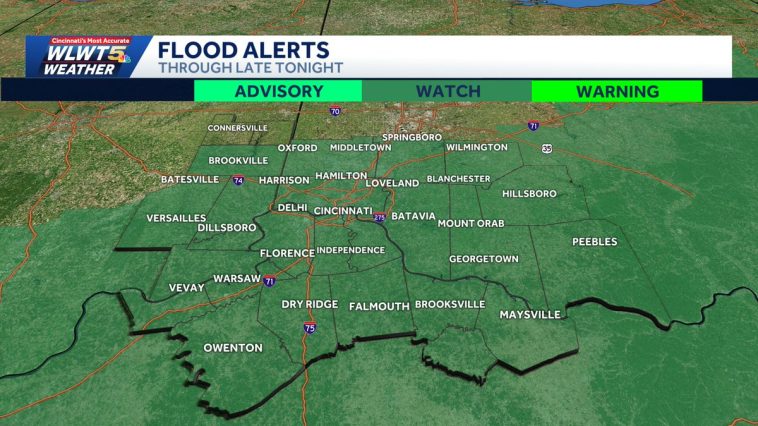
It is undeniable that when the skies darken and the rain pours incessantly, even the most well-organized public events are bound to suffer. The adjustments made to the Taste of Cincinnati schedule serve as a reminder of the intricate dance between event planning and weather forecasting. With a flash flood warning in parts of Northern Kentucky and a substantial possibility of flooding, local authorities issued urgent advisories, urging residents to move immediately to higher ground and to avoid walking or driving through flood waters. These warnings, while seemingly straightforward, reflect some of the tricky parts and tangled issues event organizers face.
For many Cincinnatians, the festival is more than just an opportunity to sample some of the best food in the region—it is a festival that fosters community engagement, supports local businesses, and creates memories. Yet, when heavy rain and potential flash flooding become part of the narrative, the atmosphere can quickly shift from excitement to concern. The rapid change in event timing has led to several questions: How can communities best figure a path through such nerve-racking conditions? And what strategies can be put in place to mitigate the impact of unexpected weather patterns?
Understanding the Weather Forecast: Key Details and Timelines
The National Weather Service in Wilmington provided vital updates on the unfolding weather situation. According to their forecast, the rain was expected to continue into Saturday morning and afternoon. Cincinnati was forecasted to receive around 1½ inches of rain, but some locations might see up to 3 inches during periods of heavy downpours. The most intense rain was predicted to fall between 4 p.m. on May 22 and 2 a.m. on May 23, a timing that further complicated the planned schedule for the festival.
Below is a table summarizing the key timing details and weather predictions that can help anyone caught in such situations better understand the sequence of events:
| Timeframe | Event/Forecast |
|---|---|
| 10 a.m. Saturday, May 23 | Revised start time for Taste of Cincinnati |
| 4 p.m. May 22 – 2 a.m. May 23 | Period of heaviest expected rainfall |
| 7:05 p.m. May 22 | Flash flood warning issued for parts of Northern Kentucky |
| 7:40 p.m. May 22 | Update on early closure of the festival |
This table encapsulates the essential details needed to get into the nitty-gritty of what the community can expect during this rainy period. Public safety, after all, must always come first, and understanding such details can help residents make better decisions when planning their outings.
Evaluating the Response: Event Management in Risky Conditions
Event management in inclement weather is never easy. Organizers must quickly figure a path between ensuring public safety and preserving the spirit of the event. When heavy rains and a flood watch are announced, even the most enthusiastic planners can feel overwhelmed by the nerve-racking task of reorganizing schedules. The adjustments made for Taste of Cincinnati are an example of timely intervention in the face of nature’s unpredictable twists and turns.
Managing such situations involves several crucial steps:
- Monitoring accurate weather updates: Event coordinators must be closely aligned with local weather services, ensuring that they are aware of any significant changes. This helps in making quick decisions that prioritize safety.
- Transparent communication: Keeping the public informed via alerts and updates, both on websites and social media, is essential. The public needs to know why changes are occurring and what the new plans are.
- Quick decision-making: When adverse weather hits, delays or early closures become not just necessary but also a sign of responsible management. Even if it means cutting the event short, public welfare is the key concern.
- Adjusting logistical details: This includes revising schedules, rearranging setups, and ensuring that emergency services are on standby should conditions worsen.
These steps, though they might appear as a straightforward checklist, hide a multitude of small distinctions and hidden complexities that event organizers must sort out at the drop of a dime. The decision to end the festival early was not taken lightly; rather, it was a calculated move borne out of respect for both public safety and the community’s well-being.
Assessing Public Reactions and Community Preparedness
When unpredictable weather forces changes in well-loved events, public reactions can be mixed. Some community members express frustration for having their plans disrupted, while others appreciate the extra caution exercised by event organizers. In the case of Taste of Cincinnati, residents in Greater Cincinnati and neighboring areas received clear and prompt advisories not only about the revised event schedule but also about flood warnings for parts of Northern Kentucky.
To help steer through such challenges, residents are encouraged to adopt a few practical measures:
- Stay updated: Regularly check local news outlets and official updates from weather services. Reliable information is essential when dealing with sudden weather changes.
- Plan ahead: If you have outdoor plans in areas affected by heavy rain, consider contingency plans. This might include having indoor alternatives or preparing for travel delays.
- Prioritize safety: While it might be disappointing when plans change, public safety should always come first. It’s better to miss a culinary event than to risk potential harm from floods or hazardous road conditions.
- Community support: Offer help to neighbors who might be vulnerable, especially the elderly or those without immediate access to updated weather information.
These measures, while simple, are key components in how our community manages its way through overwhelming weather conditions. They remind us that in the midst of tricky bits and tangled issues, our collective well-being should guide our decisions.
How Changing Schedules Affect Local Businesses
The revised timing of Taste of Cincinnati not only affects eager festival-goers but also has implications for local businesses and vendors who rely on such events for their revenue. While the primary concern is the safety of all participants, the economic stakes are high. Restaurants, caterers, and artisanal food producers look forward to the festival as an opportunity to showcase their offerings and reach new customers.
Local businesses have to work around several challenges in these conditions:
- Rescheduling deliveries: With an earlier start on Saturday, vendors have to adjust their delivery schedules and setups, which can be nerve-racking when coordination is already complicated.
- Revised staffing needs: Staff may need to be reallocated or prepared to work under inclement conditions, which could affect overall service quality.
- Customer turnout uncertainty: Heavy rain might discourage some visitors, potentially leading to lower than expected attendance and impacting sales.
- Cost implications: Adjustments typically incur additional costs, from extra staffing to modified logistical arrangements.
While these issues are admittedly full of problems, they also provide valuable lessons for future planning. Event organizers and local businesses alike are presented with an opportunity to take a closer look at their strategies for dealing with nature’s sudden downturns. By learning from these experiences, the community can build more resilient plans that account for the fine points of weather-related challenges.
Resilience in the Face of Flood Warnings and Heavy Rain
Experiencing heavy rainfall, especially when accompanied by flood warnings, is always an intimidating scenario. However, it also serves as a reminder of the strength of community resilience. The areas most impacted by the storm—southern parts of Boone, Kenton, and Campbell counties—are no strangers to the challenges of managing water-related hazards.
Residents and local authorities in these regions have developed several practical strategies to cope with sudden downpours and the accompanying threats:
- Early-warning systems: Rapid alerts via social media, local news, and emergency apps help people get a head start on moving to higher ground or avoiding flooded areas.
- Community shelters: Pre-arranged emergency shelters and community centers serve as safe havens during extreme weather events.
- Public education: Efforts to educate the public about the dangers of flash floods and the importance of not attempting to drive or walk through water contribute significantly to reducing risk.
- Infrastructure improvements: Investments in stormwater management and improved drainage systems help alleviate some of the pressure during heavy rainfall.
Each of these approaches requires concerted effort and coordination between local government agencies, volunteer organizations, and residents. The collective commitment to safety—although at times laden with challenges—demonstrates how communities can find their way even when the conditions are off-putting and overwhelming.
The Broader Implications for Outdoor and Recreation Planning
Events like Taste of Cincinnati remind us that outdoor activities and public gatherings are always at the mercy of the weather. When unpredictable rainfall leads to schedule changes or even cancellation, it draws attention to several key takeaways for planning in outdoor settings:
- Flexibility is key: Organizers and participants alike must be prepared for quick adjustments. Building flexibility into event plans isn’t just a precaution—it’s a necessity.
- Importance of timely updates: Frequent communication is a super important step in ensuring that everyone is on the same page, minimizing confusion during rapidly changing conditions.
- Strategic scheduling: When the forecast hints at potential heavy rains, planning events during periods of lower risk, or having a backup plan, can help reduce the nervous tension that comes with last-minute changes.
- Community support networks: The strength of local communities is often best revealed in times of abrupt change. Support networks can help mitigate some of the tricky parts associated with event disruptions.
These insights, drawn from recent experiences, encourage future event planners and local business owners to work through both the calm and stormy periods with equal resolve. While bright and sunny days are always preferable for an outdoor festival, it is the community’s ability to make its way through challenging weather that ultimately defines its resilience.
Preparing for the Next Storm: What Residents Can Do
While the adjustments to Taste of Cincinnati might seem like a setback to some, they also offer a chance for individuals to reflect on how to better prepare for nature’s sudden changes. A few practical steps can help residents mitigate the effects of heavy rain and potential flooding:
- Keep an emergency kit: Having a kit that includes flashlights, extra batteries, bottled water, and non-perishable food items can be a super important safeguard during extended weather events.
- Stay informed: Regularly monitor local weather updates and subscribe to alert systems provided by local authorities or trusted weather services. This not only saves time but can also save lives.
- Plan alternate routes: If you must travel during heavy rainfall, try to pick routes that are less prone to flooding. This can help ensure safety even if unexpected changes occur.
- Connect with your community: Staying in touch with neighbors and local community groups can provide additional layers of support during challenging weather situations.
These measures, while they might seem like the small details of everyday life, can make a profound difference when severe weather strikes. By taking a proactive approach and preparing for the subtle parts of meteorological challenges, residents can reduce risks and help ensure both personal and collective safety.
Balancing Economic and Social Expectations
The economic implications of this weather-induced adjustment extend further than just the immediate inconvenience. Event organizers, local businesses, and community leaders are now tasked with balancing economic impacts while maintaining the spirit of local culture and community celebrations. With the early closure of Taste of Cincinnati, there is an inevitable ripple effect on vendors who have invested significant time, resources, and passion into what is otherwise a cherished tradition.
Here are some of the economic considerations that play into decisions like these:
- Vendor re-scheduling: Many local businesses invested in elaborate setups months ahead and now need to figure a path through the quick adjustments that heavy rain forces.
- Revenue implications: Fewer hours of operation can mean fewer sales, affecting not only individual vendors but the broader local economy depending on the event’s success.
- Customer satisfaction: While safety is paramount, customer experience remains a super important factor. Balancing these aspects is key to maintaining trust and enthusiasm for future events.
- Insurance and liability: Organizers must also consider legal and insurance implications, as weather-related cancellations might lead to disputes over refunds or compensation.
Addressing these issues requires collaborative problem solving, often involving discussions between business owners, local government representatives, and community leaders. Although these conversations can be intimidating and full of problems, they are essential for building a framework that supports both public safety and local economic vitality.
Future Considerations: Learning from a Rainy Day
Looking ahead, the challenges experienced during Taste of Cincinnati provide valuable lessons for everyone involved in organizing outdoor festivities. There is a growing realization that while unpredictable weather patterns are beyond our control, the way we react to them is something we can manage through thoughtful preparation and community coordination. It’s time to take a closer look at several emerging themes:
- Enhanced communication strategies: Future events should incorporate real-time updates across multiple platforms, ensuring that all participants have access to the latest information.
- Improved infrastructural resilience: Investments in better drainage systems and flood-prevention measures can lessen the overall impact of heavy rains.
- Adaptive scheduling: Considering alternate dates or times within the planning stages may provide more flexibility, mitigating some of the minor mishaps associated with rapid schedule changes.
- Greater community involvement: By actively involving local residents in emergency preparedness exercises and encouraging open channels of communication, communities can steer through tricky parts with greater ease.
Such considerations might seem like small distinctions in the bigger scheme, yet they hold the promise of preventing or easing similar issues in the future. Every rainstorm and flash flood warning is a reminder of how intertwined our lives are with the natural environment—a relationship that calls for both respect and readiness.
Finding the Balance: Between Preparedness and Celebration
At its core, the situation surrounding Taste of Cincinnati is a microcosm of the delicate interplay between the joy of public celebrations and the unpredictable nature of weather. In acknowledging the overwhelming aspects of heavy rainfall and flood risks, there is also an opportunity to celebrate the resilience and adaptability of our community. The ability to find your way, even when paths are steeped in sudden downpours or adverse conditions, is something that we can all take pride in.
Outdoor festivals are rich in memories and experiences. They are moments that remind us of the vitality of our local culture. When weather decides to steal the show by forcing early closures or schedule changes, it presents a call to action—a chance to build better systems, enhance community communication, and, ultimately, to ensure that such cherished events continue in spite of nature’s tricky parts.
Insights from Local Authorities and Weather Experts
Local government agencies and weather experts have been working closely together in these challenging times. Their collective advice has been both practical and reassuring. By working through the sudden changes with cooperation and preparedness, the community can reduce the risk of potential danger and maintain public trust in local leadership.
Experts emphasize the importance of:
- Accurate forecasting: Relying on established weather services ensures that the data guiding decision-making is as precise as possible. This is critical when making last-minute decisions about event adjustments.
- Responsive action: When alerts are issued—such as the flash flood warning for parts of Northern Kentucky—responding immediately can make the difference between safety and disaster. The recent morning warnings served as a timely reminder of nature’s unpredictable pace.
- Community engagement: Public meetings and information sessions, often hosted by local authorities, provide a space for residents to ask questions and voice their concerns, building a sense of solidarity even in challenging moments.
These insights reflect a level of commitment that all involved parties can appreciate. While no one welcomes the nerve-racking experience of navigating through heavy rain and flood warnings, it is in these moments that the community’s resilience is truly tested and, ultimately, strengthened.
Final Thoughts: Embracing Both Celebration and Caution
In conclusion, the early closure of Taste of Cincinnati amid relentless May rain serves not only as an update on a local event but also as a window into the broader challenges faced by communities when nature takes an unpredictable turn. What might initially be seen as a setback can also be viewed as an essential opportunity—a chance to learn, adapt, and ultimately emerge as a more resilient and better-prepared community.
As residents get ready to adjust their plans and vendors work through logistical challenges, it’s important to remember that life is as much about the detours as it is about the main event. The slight delays, the rapid schedule changes, and the short-term inconveniences are all part of the bigger picture that emphasizes safety, community, and the enduring spirit of celebration.
There is a charm in these off-and-on showers and a story in every minor disruption. Whether it’s adjusting the start time or rearranging the day’s events, each quick tweak is a testament to a community that values both fun and safety equally. In the end, while Mother Nature may have the final say, our ability to take a closer look at these challenges, learn from them, and plan better for the future is what truly shines through.
What the Future Holds in Terms of Outdoor Festivities
Looking forward, those of us who cherish outdoor festivities must embrace both the idea of celebration and the need for adherence to safety protocols. The evolution of events like Taste of Cincinnati highlights how public events must continually adapt to the environment and the subtle details of changing climates.
Here are some proactive steps that can set the stage for more robust future planning:
- Innovative event scheduling: Integrate dynamic scheduling practices that allow for flexibility in start times or even the use of indoor venues when outdoor conditions become tenuous.
- Enhanced communication channels: Establish dedicated alert systems via mobile apps, email notifications, and social media updates to keep everyone on the same page in real time.
- Investing in infrastructural upgrades: City planners and event organizers should work hand-in-hand to improve the drainage systems and flood-prevention infrastructure near popular event sites.
- Community workshops: Hosting local sessions on weather preparedness and emergency response can arm residents with the knowledge needed to manage on-edge circumstances safely.
Adopting these practices could help not only in reducing the immediate impact of unpredictable weather but also in reinforcing the community’s collective readiness for future challenges. In this way, each setback is transformed into a super important stepping stone toward more secure and enjoyable community gatherings.
Conclusion: Rising Above the Rain
The recent adjustments at Taste of Cincinnati serve as a timely reminder of the myriad twists and turns that come with planning outdoor events. The rain, heavy and unyielding, forced organizers to rethink a cherished tradition, and in doing so, it sparked a broader conversation about how we, as a community, approach unforeseen challenges.
From reworking event timings and ensuring public safety to managing the adverse effects on local businesses, every decision made carries weight. Yet, it is in these moments of unpredictability that we see the best of our communal spirit—resilience, adaptability, and a steadfast commitment to looking after one another.
As we gradually see the skies clear and plans stabilize, let us take pride in our ability to face the overwhelming, sometimes nerve-racking moments with courage and cooperation. Whether it’s planning our next outing, preparing an emergency kit, or simply staying informed, every small action is a contribution to a safer, more prepared community.
In the end, while the rain may have dampened the festivities, it has not dampened our collective spirit. Instead, it has provided us with an opportunity to reflect, to learn, and to take a closer look at what truly matters: the well-being of our community and the enduring joy of coming together—even when the weather turns unexpectedly full of problems.
Originally Post From https://www.cincinnati.com/story/weather/2026/05/22/cincinnati-weather-taste-of-cincinnati-2026-ohio-memorial-day-weekend-forecast/90211690007/
Read more about this topic at
Severe storms disrupt Welcome To Rockville festival …
The annual Burning Man Festival in Nevada’s Black Rock …