
An Opinion on Cape Cod’s Winter Forecast: Insights and Implications
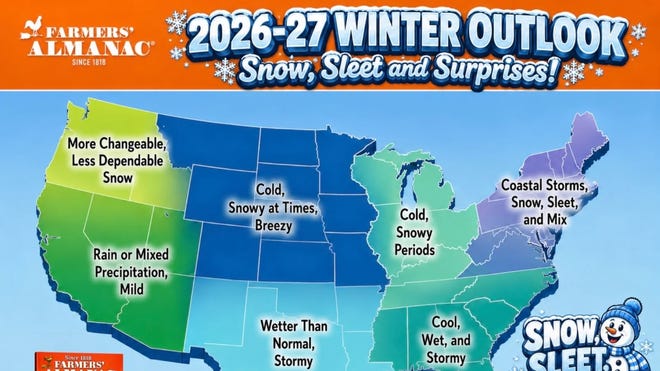
The winter season in New England is always a topic full of turbulent weather predictions, exciting planning, and a mix of anticipation and uncertainty. This year, Cape Cod’s winter forecast, as offered by the Farmer’s Almanac, has drawn considerable attention. According to the almanac, coastal communities may experience rain or mixed precipitation, while inland areas might see heavy, wet snow. In this editorial, we take a closer look at the forecasts, the methods behind them, and what this means for both locals and travelers eager to explore New England’s winter charms.
Cape Cod Winter Forecast: Rain Versus Snow?
The central message from the Farmer’s Almanac is an intriguing juxtaposition: Cape Cod, known for its coastal beauty, might have a markedly different winter experience than inland Massachusetts. While inland areas brace for heavy, wet snow, Cape Cod may receive less of a traditional snowy curtain and instead see rain or mixed precipitation. This difference can seem full of problems at first glance, as residents and visitors alike must figure a path through the twists and turns of winter weather.
Observing the tricky parts of forecasting, it is important to note that small shifts in storm tracks and temperatures can make all the difference. A seemingly minor temperature swing might be the deciding factor between rain, sleet, freezing rain, and accumulating snow. In many ways, the Farmer’s Almanac is calling attention to the hidden complexities of weather forecasting – reminding us that even after decades of monitoring, nature still has its tangled issues.
Mixed Precipitation on the Coast: What Does It Mean?
Cape Cod’s forecasted pattern points to possible episodes of mixed precipitation. Many might wonder how such a pattern will affect both local life and tourism. The combination of rain and sporadic wintry elements can be both a blessing and a challenge. For example:
- Local Travel: Wet roads can increase the risk of accidents. Residents might need to find their way through slippery conditions prudently.
- Outdoor Activities: While heavy snow can transform landscapes into wonderlands for winter sports, a more mixed precipitation scenario might limit those options and require alternative plans.
- Tourist Experience: Visitors attracted to the picturesque winter scenery of Cape Cod may find an overcast, rainy winter less enchanting than a snowy idyll. However, the change also brings a unique coastal charm that is just as captivating in its own way.
Ultimately, the forecast invites us to dig into the details and embrace the unexpected nature of Cape Cod’s winter. As much as the idea of rain during winter may appear off-putting to some, it is a reminder that every season offers its own unique opportunities and challenges.
Understanding Heavy, Wet Snow in Inland Areas
In contrast to Cape Cod, inland Massachusetts is forecast to receive heavy, wet snow. While many might celebrate the quintessential winter wonderland, these conditions also have their own set of nerve-racking implications. Heavy, wet snow tends to be particularly dense and can subsequently cause disruptions — from immobilizing roads to challenging the ability of infrastructure to cope with the added weight.
This winter phenomenon should prompt residents, city planners, and emergency services to figure a path through the logistical challenges posed by such conditions. The forecasting of heavy, wet snow is a reminder of how the finer details in weather models can shape the reality on the ground. The subtle parts, such as moisture content and temperature management, make a significant difference between a picturesque scene and actual hazardous conditions.
Moreover, the heavy, wet snow predictions also serve as a call to actions for ensuring that communities are well prepared for potentially intimidating winters. The changes from one winter to the next remind us that weather is always full of confusing bits and that every forecast comes with its own set of challenges.
The Farmer’s Almanac Methodology: Digging Into the Process
The Farmer’s Almanac has been a trusted source by many for over two centuries, drawing on a mix of sunspot cycles, lunar positions, tidal pulls, and historical weather patterns. While modern meteorology relies on high-tech computer models and satellite imagery, the almanac’s approach remains rooted in tradition. In many ways, it is both a charming nod to history and a reminder of the unpredictable bits that weather forecasting can be.
This method, though sometimes seen as a blend of art and science, is not without controversy. Critics argue that relying partly on historical patterns might not fully account for the little twists of modern climate change and variability. However, the almanac reports a regional accuracy rate of 80% to 85%, which many find to be pretty reassuring when trying to work through the tricky and often intimidating aspects of the winter forecast.
Those interested in learning more about the forecasting process should consider these critical components:
| Method Component | Description |
|---|---|
| Sunspot Cycles | Periods of solar activity that can influence weather patterns on Earth. |
| Lunar Positions | The phase and position of the moon, which can have subtle effects on tides and weather. |
| Tidal Pull | The gravitational influences affecting the Earth’s water and atmosphere. |
| Historical Pattern Weighting | Analyzing previous weather data to predict similar outcomes in the future. |
In essence, the almanac’s approach helps readers get into the nitty-gritty of seasonal forecasting in a way that modern audiences find both historic and intriguingly off-beat.
Comparing Regional Forecasts: Beyond New England
While Cape Cod and inland Massachusetts often take center stage in New England discussions, the Farmer’s Almanac also offers forecasts for other U.S. regions. A broader look reveals a spectrum of weather scenarios across the country, each with its own set of challenges and, occasionally, its own unique allure.
Midwest and Great Lakes: Sorting Out Winter Squalls
The Midwest, particularly areas around the Plains and Great Lakes, is predicted to embody a winter of sudden snow squalls, blustery winds, and intermittent bursts of bitter cold. Those residing in these regions might face:
- Fast-moving Clippers: Quick, cold storms that dash through without much warning.
- Sudden Cold Snaps: Brief periods where temperatures drop unexpectedly, making proper layering of clothing critical for safety.
- Intermittent Milder Breaks: Occasional respites from the harsh cold, which may help relieve some of the nerve-racking winter burdens.
For people in these areas, managing winter travel and outdoor activity schedules depends on being ready for sudden changes. It is a constant exercise in sorting out the fine shades of daylight and temperature that govern the daily rhythm of winter life.
Southern States: Heavy Rain, Active Storm Tracks, and El Niño Effects
Looking further south, from the Gulf Coast to Southern California and the Desert Southwest, the almanac points to a winter that is wetter than usual with an active storm track. El Niño is expected to play a big role here, influencing the weather in ways that often seem loaded with issues. The implications for these regions include:
- Increased Precipitation: Residents should expect wetter conditions that might lead to localized flooding and other water-related challenges.
- Active Storms: A more dynamic and sometimes intimidating storm pattern that demands extra caution and preparedness.
- Regional Variability: Weather conditions may vary greatly over short distances due to the subtleties of atmospheric instability.
The practical advice for these communities involves regularly checking weather updates and ensuring that emergency plans are up to date. While heavy rains can bring refreshed landscapes, they also pose risks that are important to understand and prepare for.
Pacific Northwest: A Sporadic Snow Season
The forecast for the Pacific Northwest is a lesson in subtle distinctions. Known for its temperate climate, this region might get a sporadic snow season, making for an unpredictable winter. The variability here means that residents could enjoy several snowy days interspersed with milder periods, requiring them to continuously figure a path through fluctuating conditions.
This region’s outlook is a reminder that every winter season comes with its unique set of conditions — some predictable and others entirely unexpected. It emphasizes the need for flexibility in planning and a readiness to adapt to whatever twist the weather might present.
Impact on Local Travel and Outdoor Activities
Winter in New England — and across the American landscape — does not simply affect how residents go about their daily routines. It also significantly influences outdoor recreation, travel, and even local governance. For travelers and those whose livelihoods depend on tourism and outdoor activities, the almanac’s forecast offers a mixed bag of potential outcomes.
Cape Air Flights and Community Initiatives
An interesting side note to the seasonal forecast is Provincetown’s initiative to use reserve funds for the reintroduction of year-round Cape Air flights. Even when town meetings have expressed reservations, local governments are stepping up to manage tricky weather conditions and maintain connectivity. Such measures underline how essential transportation links are during severe weather events, whether it’s dealing with heavy inland snow or the unpredictable rainy spells along the coast.
For residents and tourists, reliable air service stands as a super important component of winter travel planning. With the weather forecast showing potential for disruptive conditions, community resilience shines through in these efforts to ensure that travel is still feasible even when faced with nature’s many puzzles.
Outdoor Recreation: Preparing for the Inevitable Twists and Turns
For those who embrace the great outdoors, New England’s winter brings both challenges and opportunities. Whether one is an avid skier, a winter hiker, or simply enjoys the quiet beauty of a snow-blanketed landscape, strategic preparation is key. Here are some pointers on how to figure a path through the uncertainties of winter weather:
- Stay Updated: Regularly review weather reports from trusted sources. Technology has made it easier than ever to keep track of rapid shifts in weather conditions.
- Dress in Layers: Given the potential for fluctuating temperatures between coastal rains and inland snow, dressing in layers allows for flexibility and comfort.
- Plan for Both Scenarios: When planning activities, consider backup options in case heavy rain or snow forces a change in plans.
- Local Tips: Engage with local outdoor enthusiasts and community bulletin boards to gather insights on current conditions and the best spots to explore safely.
By acknowledging the unpredictable nature of winter — with its confusing bits and twisty challenges — outdoor lovers can still relish what New England has to offer while taking sensible precautions.
Regional Climate Forecast: A Broader Perspective
The Farmer’s Almanac does not restrict its insights to New England alone. The nationwide forecasts offer a broader picture — one where each region has its own set of challenges, influenced by local climatic conditions and historical patterns.
Comparative Analysis: Midwest Versus Coastal Regions
When comparing the Midwest and New England, one must acknowledge that weather predictions are rarely one-dimensional. For the Midwest, the forecast speaks of sudden, quick-moving clippers and sudden cold snaps that can catch people off guard. In contrast, Cape Cod’s coastal charm may experience more predictable yet still challenging patterns with mixed precipitation.
This difference encourages residents to sort out their winter strategies based on regional expectations. In coastal areas, extra attention might be necessary for managing the impacts of rain and freezing conditions, while inland areas need robust snow-clearing measures and adjustments in daily travel habits.
Below is a simplified comparison table illustrating typical challenges across regions as predicted by the almanac:
| Region | Predicted Challenges |
|---|---|
| Cape Cod and Coastal New England | Rain, mixed precipitation, and occasional icy patches |
| Inland Massachusetts and New England | Heavy, wet snow and slow snow accumulation |
| Midwest and Great Lakes | Sudden snow squalls, blustery winds, and rapid temperature drops |
| Southern States | Active storm tracks, heavy rainfall, and potential flooding |
| Pacific Northwest | Sporadic snow, fluctuating periods of warmth and cold |
This table highlights the must-have understanding that the nature and preparedness for winter differ radically depending on which side of the country you call home.
The Accuracy Debate: Can We Trust the Farmer’s Almanac?
No discussion about seasonal forecasts would be complete without addressing the perennial debate surrounding the accuracy of the Farmer’s Almanac. With its storied history dating back to 1818, the almanac has managed to capture public imagination even as scientific techniques have evolved considerably. The publication touts an accuracy rate of 80% to 85% on regional outlooks, a percentage that many find appealing given the inherent unpredictable elements in weather.
Yet, a study from the University of Illinois Urbana-Champaign conducted in 2010 put much of these claims into question by finding that the accuracy of precipitation and temperature forecasts hovered just above the level of random chance. Standing at 51.9% for monthly precipitation and 50.7% for temperature, the study suggests that there might be reason to be cautious when relying solely on almanac-predicted outcomes.
Nevertheless, for many New Englanders and vintage weather enthusiasts alike, the Farmer’s Almanac represents more than just a forecasting tool; it is a slice of Americana, a historic tradition that reflects both the art and science of weather prediction. When trying to figure a path through a season riddled with tension and quick turns, a balanced view that respects tradition while integrating modern technology might be the best way forward.
Weather Preparedness: Practical Tips for a Complicated Winter
Regardless of whether one is a staunch believer in the almanac’s forecasting methods or leans on modern meteorological data, one common thread remains: the necessity of being prepared for the winter’s many twisty challenges. Here are some practical suggestions for managing your way through a winter that promises both beauty and potential hazards:
- Monitor Multiple Sources: Rely on a mix of local news outlets, weather apps, and historical forecasts to stay informed of sudden changes.
- Home and Car Maintenance: Ensure that heating systems, insulation, and snow removal tools are in top form prior to the season’s onset.
- Emergency Kits: Keep a winter survival kit including essentials like food, water, blankets, and battery-powered devices in case of extended power outages.
- Plan Alternate Routes: For daily commutes, consider various routes to get around potential road closures or delays due to snow or ice.
- Community Engagement: Stay connected with local councils and neighborhood groups that often share timely advice and coordinated responses during severe weather conditions.
These suggestions may seem like basic measures, yet they are super important when it comes to ensuring both personal safety and the smooth functioning of daily routines during the unpredictable twists of a Cape Cod winter.
Local Governance and Community Dynamics: The Role of Public Policy in Winter Preparedness
In addition to weather forecasts and individual preparedness, local governments are a crucial part of the equation when dealing with a season that is full of confusing bits and unforeseen challenges. The example of Provincetown’s decision to reinstate year-round Cape Air flights despite previous reservations underlines an essential point: communities actively work to create solutions no matter how intimidating the conditions may seem.
Local public policies, public spending on reserve funds, and coordinated planning efforts help communities manage the little details that are so critical during a severe winter. By proactively addressing transportation issues and ensuring that essential services remain uninterrupted, local governments are effectively taking the wheel even in winters that are loaded with issues.
This kind of community response not only eases everyday burdens but also injects confidence into residents who might otherwise feel overwhelmed by the impending season’s challenges. It’s a practical reminder that while we can’t control the weather, we can control how we respond to it.
A Balanced Perspective on Winter Forecasts
It is evident that the Farmer’s Almanac forecasts for the 2026/2027 winter season present a picture full of both promise and potential pitfalls. On one hand, the predictions offer valuable insight, particularly for those looking forward to exploring the distinct character of New England’s winter — from Cape Cod’s milder coastal conditions to inland areas awash with heavy, wet snow. On the other hand, the mixed accuracy results and unpredictable nature of long-range forecasts remind us that no prediction is ever set in stone.
Readers should take these forecasts as one of many tools available to plan for the season, rather than the definitive guide on what will transpire. With modern technology complementing historical methods, we are in a better position to understand the subtle details and little twists that determine our day-to-day weather experiences.
By approaching the winter forecast with a balanced mindset — acknowledging the historical legacy of the Farmer’s Almanac while also giving weight to contemporary scientific data — residents and travelers can better manage their expectations and make informed decisions for the months ahead.
Conclusion: Embracing a Winter of Mixed Surprises
As Cape Cod and the broader New England region prepare for a winter characterized by its unpredictable blend of rain, mixed precipitation, and heavy inland snow, it’s vital to remember that weather, like life, comes with its own set of twisted challenges and opportunities. For locals, the forecast is a reminder to take practical measures and stay alert, while for visitors, it underscores the unique and varied character of New England’s seasonal landscape.
Whether you are planning outdoor adventures, relying on public transportation like Cape Air flights, or simply trying to keep your home safe, the key is to remain informed and prepared. The Farmer’s Almanac, with its long history and enduring appeal, provides a fascinating look into the traditional methods of long-range forecasting — methods that, despite their own tangled issues, continue to spark conversation and curiosity.
In the end, weather is an ever-evolving scenario full of tiny details and unpredictable twists and turns. So, as we get ready to face winter head-on, let’s embrace both the uncertain forecasts and the community’s proactive spirit. After all, a well-prepared winter is not just about braving the cold; it’s about finding your way through nature’s unpredictable course and enjoying the unique charm that each season brings.
This editorial is an invitation to not only ponder over the intricate weather predictions for Cape Cod and its neighboring regions but also to actively engage in the discussion on how we can best adapt and thrive during a winter that promises to be as varied as it is fascinating.
Originally Post From https://www.capecodtimes.com/story/weather/forecasts/2026/09/07/farmers-almanac-2026-2027-winter-forecast-new-england/91607455007/
Read more about this topic at
Farmers’ Almanac Releases 2026-2027 Winter Outlook
New This Winter – Probabilistic Snowfall Experiment