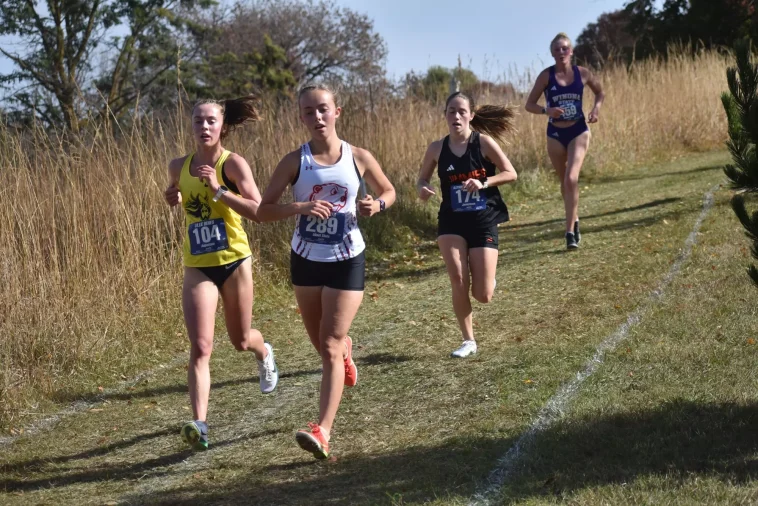

Rising Stars in College Cross Country: Freshman Recruitment Trends in 2026
The wind whispers through expansive Midwestern plains, carrying with it the promise of a fresh era in collegiate cross country. Recent developments in the Minot State men’s cross-country team signal that a new generation of runners is ready to take the wheel. With the arrival of three promising freshmen, college sports enthusiasts and outdoor adventurers alike can sense an invigorated energy on the trails. These young athletes bring with them stories of determination, balance, and raw talent that are all set to redefine the running landscape at Minot State and beyond.
Among the newcomers is Carter Heggem, hailing from Sidney High School in Montana. Alongside him, Caden Peterson of Sheyenne High School in North Dakota and local standout Aijay Gourneau from Minot High School join the team. Their early achievements, ranging from stellar performances in state championships to impressive times in track events, paint an encouraging picture for the future of the program.
College athletics, much like long-distance running, is full of tricky parts and tangled issues that require both grit and grace. The recent recruitment drive is an excellent example of how facing these challenges head-on can open doors to unexpected success. In this opinion editorial, we will dive in to explore the importance of fresh talent, the balance between academics and athletics, and the strategies that underlie a winning college sports program.
Blending Athletic Prowess and Academic Excellence in Collegiate Sports
The integration of sports with a sturdy academic foundation is one of the key themes emerging from the latest recruitment developments. Each of the three freshmen under discussion is not only celebrated for their performances on the track but also for their academic achievements. In today’s world, where every step taken on the trail is filled with little twists of fate, balancing rigorous training schedules with academic responsibilities is a super important endeavor.
For instance, Carter Heggem, who impressed many by earning All-State Academic honors in both cross country and track and field over four years, is a shining symbol of dedication off the track. His commitment serves as a reminder that success in athletics is often paired with educational milestones. As academic environments become more demanding and competitive, student-athletes are challenged with navigating a maze of class schedules, training sessions, and personal development. Yet, the stories of Heggem, Peterson, and Gourneau reveal that with proper guidance and a strong support system, young athletes can manage their way through the academic world just as effectively as they find their path on the trail.
This harmonious blend of athletic and academic pursuits is a beacon for many aspiring runners, who find motivation in the idea that success is not a one- or two-dimensional journey, but rather a balanced pursuit that strengthens both the body and the mind.
The Journey From High School to College Track and Field
The transition from high school athletics to a university program is filled with confusing bits and complicated pieces that often leave newcomers feeling overwhelmed. High school sports culture is considerably different from college athletics – the stakes are higher, and the competition is more intense. For many young athletes, the leap might seem as nerve-racking as tackling an unexplored trail. Yet, this journey is also a thrilling opportunity for growth.
High school accomplishments, like those of our three freshmen, serve as a launchpad for a career at the college level. However, the true test comes when these talents face the intense competitive environment of collegiate sports. The steps in this journey often include:
- Adjusting to rigorous training programs
- Balancing academic and athletic schedules
- Developing strategies to overcome challenging terrain and weather conditions
- Learning time management and personal planning
Each step presents its own set of tricky parts and tangled issues. While the initial transition might feel off-putting, many athletes discover that the experience is richly rewarding. Colleges like Minot State are known for not only honing athletic skills but also ensuring that the fine points of academic development are not left by the wayside. Here, the journey from high school to college is a synergistic process where each run is a lesson in resilience and adaptation.
Moreover, the team environment offers peer support and mentorship, allowing freshmen to quickly figure a path through the sometimes intimidating twists and turns of their new lives in college sports.
The Role of Local Talent in Shaping University Cross Country Teams
One cannot overstate the value of local talent in enhancing a university’s sports program. For Minot State, the recruitment of Aijay Gourneau from Minot High School is not just about numbers—it’s a matter of community pride and continuity. Local athletes bring with them an inherent understanding of the geographic and climatic challenges of the region, along with the cultural values cherished by the community they represent.
Aijay’s journey is a narrative cherished by the local populace. His previous achievements—recording personal-best times in both the 1,600 and 800-meter races—exemplify what can be achieved when community support and personal determination meet. As a local hero, Aijay’s trajectory provides an inspirational blueprint for aspiring runners in the area. His story is laden with better-known themes such as commitment to excellence and the magic of grassroots passion.
The tradition of nurturing local talent is a critical asset to any collegiate sports program. It helps create a sense of belonging among team members, encourages community involvement in supporting athletics, and builds lasting bonds that often extend well beyond the field of play. When a runner like Aijay joins the team, he becomes a symbol of regional pride—a marker of what local talent can accomplish on larger stages.
Dual-Sport Athletes: Benefits and Challenges
The modern athletic landscape often sees multi-sport athletes excelling across different disciplines. Carter Heggem’s participation in both cross country and basketball, as well as Caden Peterson’s background in hockey, are prime examples of such multifaceted talent. This blending of sports experience can offer a competitive edge, provided that careful planning is in place.
Dual-sport athletes bring to the table a diverse skill set. They develop strength, speed, coordination, and mental agility by engaging in various forms of athletic challenges. Participating in multiple sports often forces young athletes to tackle a series of little details and slight differences in strategies. These experiences can enhance overall athletic performance in unexpected ways. Here are some of the benefits:
- Physical Strength and Stamina: Engaging in different sports builds diverse muscle groups and enhances overall endurance.
- Coordination and Agility: Switching between sports refines motor skills and agility, which are beneficial in any athletic pursuit.
- Strategic Thinking: Exposure to varying play styles helps athletes develop a broader perspective on competition and teamwork.
- Resilience and Adaptability: Managing different athletic schedules and physical demands fosters a resilient mindset.
However, the pathway is not free from tricky parts. Many dual-sport athletes often have to deal with tangled issues such as scheduling conflicts and increased risk of overuse injuries. The challenge lies in determining how to maximize the benefits while minimizing the drawbacks. Coaches and support staff play a super important role in designing training regimens that allow these athletes to excel without burning out.
The story of these freshmen is packed with lessons in determination, focusing on achieving balance while still finding their way through the sometimes overwhelming demands of a dual-sport career. The emphasis is on nurturing athletic versatility without compromising long-term athletic health.
Coaching Insights: Building a Winning Athletic Program
Behind every remarkable running team lies a coach who understands both the subtle parts and the confusing bits of high-level sports management. Minot State head cross-country coach, Erik Stevens, stands out as a leader who has managed to piece together a program focused on talent, synergy, and hard work. His philosophy is rooted in the understanding that every athlete carries not only speed and stamina but also potential for personal growth and academic success.
Coach Stevens’ approach to recruitment and training is considered super important in today’s competitive environment. His remarks about the three freshmen highlight several key ideas:
- Recognizing Talent: “It is very clear to me that Carter can and will do great things for our team,” Coach Stevens remarks, underscoring the immediate impact of raw talent when guided with care.
- Work Ethic: Stevens notes that each of the recruits brings an exceptional work ethic, a quality that transcends natural athletic ability.
- Personal Growth: The coach emphasizes that athletic training should be seen as a path to personal development, where every run teaches discipline and leadership.
For many coaches, finding a balance between athletic rigor and personal development is a constant challenge. Among the many small distinctions that shape a successful team, the art of coaching involves making targeted adjustments to training, support, and motivation. In many ways, this is not very different from finding your way through a difficult trail—a process in which patience, persistence, and a willingness to experiment are key.
The coaching process is full of little details and hidden complexities that require careful observation and regular adjustments. A keen eye on both the minor wins and the overarching team strategy often makes all the difference. Coach Stevens and his staff are tasked with not only training the body but also building the mental resilience necessary for an athlete to thrive under pressure. This dual focus is perhaps one of the most rewarding—and challenging—aspects of collegiate athletics.
Academic Pathways and Future Career Prospects in Collegiate Sports
Beyond the immediate thrill of competition, college sports can serve as a launching pad for future careers. The freshmen joining the Minot State cross-country team are prime examples of student-athletes who are taking determined steps towards career success in fields as varied as Radiologic Technology, Finance, and Kinesiology. Balancing sports with academics is not always straightforward, yet it is a journey filled with essential lessons even in the most overwhelming moments.
Let’s take a closer look at the academic and career plans of our three freshmen:
| Athlete | High School Background | Primary Sport(s) | Planned Major | Notable Achievements |
|---|---|---|---|---|
| Carter Heggem | Sidney High School, Montana | Cross Country, Track and Field, Basketball | Radiologic Technology | Two-time All-State in cross country; four-time All-Conference athlete |
| Caden Peterson | Sheyenne High School, North Dakota | Cross Country, Track and Field, Hockey | Finance | Improved personal-best times across multiple events; contributed to team success |
| Aijay Gourneau | Minot High School, North Dakota | Cross Country, Track; soccer and basketball involvement | Kinesiology | Recorded record personal times; known for his work ethic and leadership |
These details illustrate that success in college athletics isn’t solely marked by what happens on the track. Instead, it’s the integration of academic pursuit, discipline, and professional aspirations that defines a well-rounded student-athlete. The decision to major in a field of personal interest while competing at a high level of sport speaks volumes about the character and drive of these young men.
The academic journey is filled with tricky parts and tangled issues—ranging from time management to staying focused on long-term goals. However, as the successes of these freshmen show, managing your way through college life is very achievable with the right level of support, mentoring, and self-discipline. Their future career prospects, enriched by the experiences on campus and the trails, are expected to shine as brightly as their current athletic achievements.
Managing Your Way Through College Athletics: Tips for Aspiring Runners
For those looking to follow in the footsteps of the Minot State freshmen or simply eyeing a career in long-distance running, there are several critical steps to keep in mind. The path forward is full of confusing bits and overwhelming details, but with the right guidance, it can be navigated successfully. Here are some guidelines to help aspiring runners make their way through college athletics:
- Consistent Training: Establish a regular workout schedule that accommodates both running and strength training. Consistency builds endurance and mental toughness.
- Time Management: Balance academic work, practice sessions, and personal time. Use tools like calendars and planning apps to figure a path through your busy schedule.
- Healthy Nutrition: Fuel your body properly. A balanced diet is essential for recovery and peak performance on the track.
- Rest and Recovery: Ensure you get enough sleep and allow time for recovery. Rest is a critical part of any training routine and helps mitigate the risks of injury.
- Mental Fortitude: Work on building resilience through mindfulness or relaxation techniques. Running is as much a mental challenge as it is a physical one.
- Effective Communication: Build strong relationships with your coaches and peers. This supportive network can provide valuable advice during daunting times.
In addition, consider this table of common challenges and recommended strategies:
| Challenge | Recommended Strategy |
|---|---|
| Balancing Academics and Training | Create a structured schedule and stick with it; seek academic support when needed. |
| Dealing with Overwhelming Competition | Focus on personal growth rather than comparing yourself to others; celebrate small wins. |
| Injury Prevention | Incorporate stretching, proper warm-ups, and recovery periods into your training routine. |
| Adapting to New Environments | Familiarize yourself with the training facilities and meet your new coach and teammates early on. |
These tips, learned through both personal experiences and shared by seasoned professionals like Coach Stevens, remind us that every step taken on the trail is an opportunity to refine one’s skills and build lasting habits. It is essential for any budding runner to maintain a balance between determination and flexibility as they work through the delicate parts of their journey.
Community and Support in Collegiate Cross Country
The culture of sports extends well beyond the competition itself—at its heart, it is about community. For Minot State, community support plays a critical role in shaping the athletic experience. Fans, family members, and local supporters all contribute to the unique atmosphere that drives college athletes to achieve excellence on and off the track.
Community backing is not just a nice add-on; it is a key ingredient in creating an environment where athletes feel motivated and inspired. Here are several ways in which community support manifests in collegiate cross country:
- Crowd Support During Events: Cheering fans and local traditions heighten the sense of occasion at races and meets.
- Mentorship and Guidance: Former athletes and local figures often serve as mentors, sharing their own experiences and lessons learned.
- Facilities and Resources: Universities that are backed by strong community engagement tend to offer better training facilities and resources, as local donations often help bolster athletic programs.
- Long-term Loyalty: Support from the local area creates lasting bonds, ensuring that student-athletes have encouragement throughout their athletic journeys.
At times, the process of building and nurturing this community support is tangled with various challenges—whether it’s addressing the off-putting aspects of funding cuts or managing the pressure of high public expectations. However, when communities come together to steer through these issues, the result is an enriching experience both for the athletes and the wider community.
Local supporters, whether they are longtime fans or new members of the community, know that true success in athletics is measured by how well an athlete grows as a person. When local talent like Aijay Gourneau makes it onto the team, it is not just a victory for the university; it is a grassroots celebration, where every run echoes the community’s pride and aspiration.
Exploring Coaching Philosophy: Balancing Performance and Personal Growth
In any successful sports environment, the weight of responsibility often falls on the coaching staff. Their role is to break down the tiny, subtle parts of training into manageable pieces while ensuring that each athlete is encouraged to thrive on a personal level. Coach Erik Stevens exemplifies this balanced philosophy by integrating performance enhancement with initiatives that build character and life skills.
From a coaching perspective, there are several important points to consider when trying to mentor fresh talent:
- Personalized Training: Recognizing that each athlete has a unique set of abilities and challenges is crucial. Personalized coaching allows runners to tackle the small distinctions in technique and strategy that can make all the difference in competitive races.
- Holistic Development: Athletic training is enriched when coaches focus not only on physical prowess but also on mental and academic growth. This holistic approach prepares athletes for both current competitions and future endeavors.
- Adaptability in Coaching: The ability to adjust training methodologies based on evolving circumstances is a must. The unpredictable conditions of outdoor sports, including weather shifts and terrain changes, require a flexible coaching approach that can steer through unexpected challenges.
Often, the differences between success and mediocrity in collegiate sports come down to the ability to make small, yet decisive adjustments. A coach who is willing to experiment and tailor training programs to address each young athlete’s needs can help students overcome even the most intimidating obstacles. For Coach Stevens, his commitment to working closely with his freshmen recruits is the linchpin that supports both immediate performance and long-term achievements.
This coaching philosophy not only builds better athletes but also molds individuals who understand that every victory on the track is a stepping stone to larger life accomplishments. The careful balance of performance training and personal growth is a testament to the idea that success is never a singular effort, but a collaborative journey filled with lessons from both wins and setbacks.
Looking Ahead: The Future of Collegiate Cross Country Programs
The infusion of fresh talent at Minot State is emblematic of a broader trend in collegiate athletics. Across the country, universities are evolving their training programs and recruitment strategies to attract the best young athletes, many of whom come with multifaceted backgrounds and ambitions. This fresh wave of recruits is not just about the immediate talent on the track but heralds a future where athletic programs are built on principles of balance, support, and continuous improvement.
Looking ahead, several factors are set to influence the trajectory of college cross country efforts:
- Evolving Recruitment Strategies: More emphasis is being placed on recruiting athletes who excel both on the field and in the classroom. The ability to balance training with studies is a quality that many universities are actively seeking.
- Enhanced Training Facilities: With increased community support and innovative funding initiatives, colleges are continuously upgrading training infrastructure to provide athletes with the best resources available.
- Technology Integration: The use of advanced performance tracking, biomechanics, and data analytics is reshaping how athletes train and compete. These tools allow for a granular breakdown of performance factors, helping runners address the confusing bits of their technique through measurable insights.
- Focus on Mental Health: Recognizing the nerve-racking pressures of modern collegiate sports, many programs are now incorporating mental health resources to help athletes cope with stress and maintain a positive outlook.
It is an exciting time to observe how these trends influence not just the competitive aspects of the sport, but also the personal growth of its athletes. As student-athletes continue to absorb life lessons both on and off the track, the future of collegiate cross country looks vibrant and full of potential.
The competing forces of tradition and innovation, local pride and national ambition, all converge to paint a picture of collegiate athletics that remains both challenging and inspiring. There is a deep sense of promise in knowing that the difficulties—no matter how intimidating or complicated—are simply stepping stones toward a brighter, more integrated future.
Concluding Thoughts: The New Era of Minot State Cross Country
As we reflect on the evolving landscape of collegiate cross country, it becomes clear that the arrival of new talent is more than just an addition to the team roster—it marks the beginning of a transformative journey. The recruitment of Carter Heggem, Caden Peterson, and Aijay Gourneau sets a precedent for what is possible when dedication meets opportunity. Their stories remind us that every race is filled with tiny twists and turns, each run offering lessons in discipline, perseverance, and balance.
This new era is characterized by a commitment to nurturing both athletic prowess and academic excellence, ensuring that every runner is equipped to tackle both the physical and mental challenges of college life. With a coaching philosophy that encourages personalized growth and a community that rallies behind its athletes, the future of Minot State cross country—and indeed, collegiate sports at large—appears bright and full of promise.
Looking out onto the open trail, one sees more than just a series of training laps and competitions; one sees the embodiment of hard work, community spirit, and the relentless pursuit of excellence. While there will undoubtedly be confusing bits and overwhelming challenges along the way, the spirit of determination and collective support will always help athletes find their way. In the end, the journey is as important as the destination, and every step taken on the path of success echoes with the lessons learned, the relationships forged, and the dreams achieved.
For those who follow the adventures of collegiate sports and outdoor activities, these evolving narratives in cross country offer a rich tapestry of inspiration—reminding us that in every race, however tough the terrain or nerve-racking the conditions, there is beauty in the struggle and triumph in the outcome. As Minot State’s new recruits lace up their shoes and prepare to hit the trails, they carry with them not only the hopes of a winning season but the enduring spirit of a community ready to celebrate every small victory along the way.
In closing, the story of these freshmen is filled with lessons for athletes and enthusiasts alike. By embracing the challenges and working through each tricky part, they are not only building a stronger team but are also paving the way for future generations who will continue to find their path in the world of collegiate sports. As we watch these young runners shape their destinies, we are reminded that sometimes, the most critical journeys begin with a single, determined step down a sunlit path.
Originally Post From https://msubeavers.com/news/2026/9/1/mens-cross-country-trio-of-runners-join-minot-state-mens-cross-country-team.aspx
Read more about this topic at
Google News
The New York Times – Breaking News, US News, World News …